
Co-creation in global health
2026.04.20
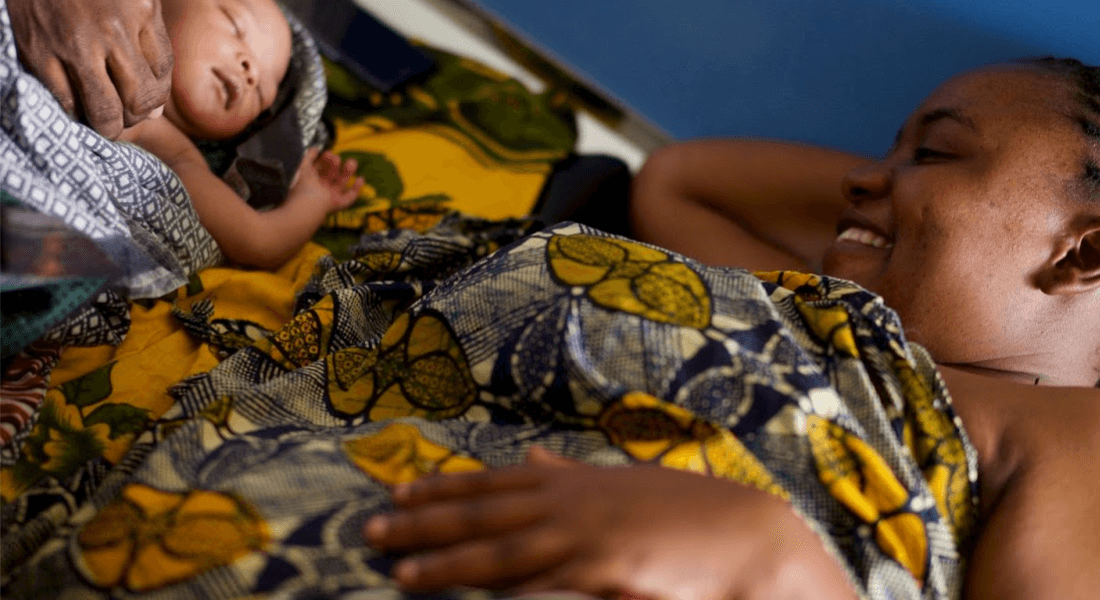
The PartoMa project works closely with healthcare providers and pregnant women in busy, low-resource maternity units to co-create interventions for safe and respectful care. PartoMa responds to gaps in clinical management, which are partly caused by a lack of underlying evidence and translation between established medical evidence and clinical practice. On average, it takes approximately 17 years for new medical research to be incorporated into standard medical practice, however, merely 20% of best practices make it to patient care.
In other words, we work on:
Since 2014, PartoMa has led the co-creation and implementation of integrated, simple and locally achievable clinical guidelines for childbirth care and associated training. Our pilot intervention study from Zanzibar, Tanzania (2014-2018) suggested significant improvements in quality of care and survival during birth. Since then, we have conducted a larger scale-up project in Dar es Salaam, Tanzania, which is confirming the findings. Other PartoMa, projects are also ongoing in Northern Tanzania and Ethiopia, and a major new PartoMa branch is our PartoMa Pregnancy project, which has transitioned PartoMa from childbirth care to a broader focus on reproductive health and rights - from a positive pregnancy test till after birth.
In particular, PartoMa focuses on childbirth care in urban, low-resource settings. In 2030, the majority of the world’s births will occur in urban areas, and a growing ‘urban disadvantage' is reported in several low- and middle-income countries, with poorer outcomes in cities. Though still scarcely researched, these adverse outcomes appear mainly due to urban poverty, lack of basic infrastructure and over-congested health facilities - conditions likely to be exacerbated by climate change.

Since 2014, the PartoMa project has developed and implemented simple and locally achievable clinical guidelines and associated training for midwives and doctors in low-resource settings with often alarmingly high numbers of labouring women per birth attendant. As these clinical realities make it practically impossible to adhere to international clinical guidelines, the maternal health staff often use no guidelines or desperately try to collectively cope with poorly fitting guidelines. In these settings, there is an urgent need for context-adapted clinical guidance to assist overwhelmed birth attendants (read more).
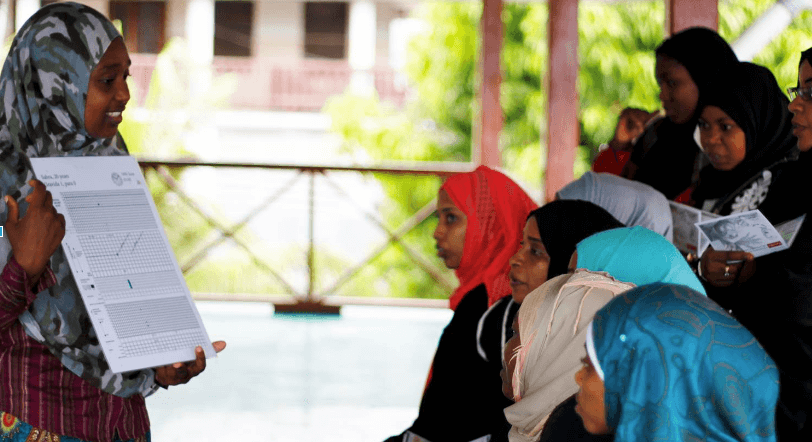
The initial PartoMa pilot intervention study in Zanzibar’s tertiary hospital (2014-2018) revealed how simple, locally-tailored guidelines and training could assist birth attendants in delivering more timely and safe care to women giving birth. The results were encouraging with significantly improved survival during birth (read more). Moreover, the project was well-received by Zanzibari health providers who travelled, and are still travelling, long distances to attend the monthly PartoMa training seminars.
In 2019-2025, PartoMa conducted a 5-year scale-up research project in Tanzania, with Danida Fellowship Centre (Ministry of Foreign Affairs, Denmark) as the main donor. This PartoMa Scale-Up Project aimed to investigate whether the PartoMa pilot intervention from Zanzibar could be modified and scaled to other busy, low-resource maternity units. The intervention was carried out in five urban maternity units in Dar es Salaam who received the PartoMa intervention as three clusters with 3-month intervals. The findings are promising and will soon be published . (read more).
Furthermore, exciting studies have commenced in Northern Tanzania and Ethiopia to further co-create and scale the PartoMa guidelines and training.
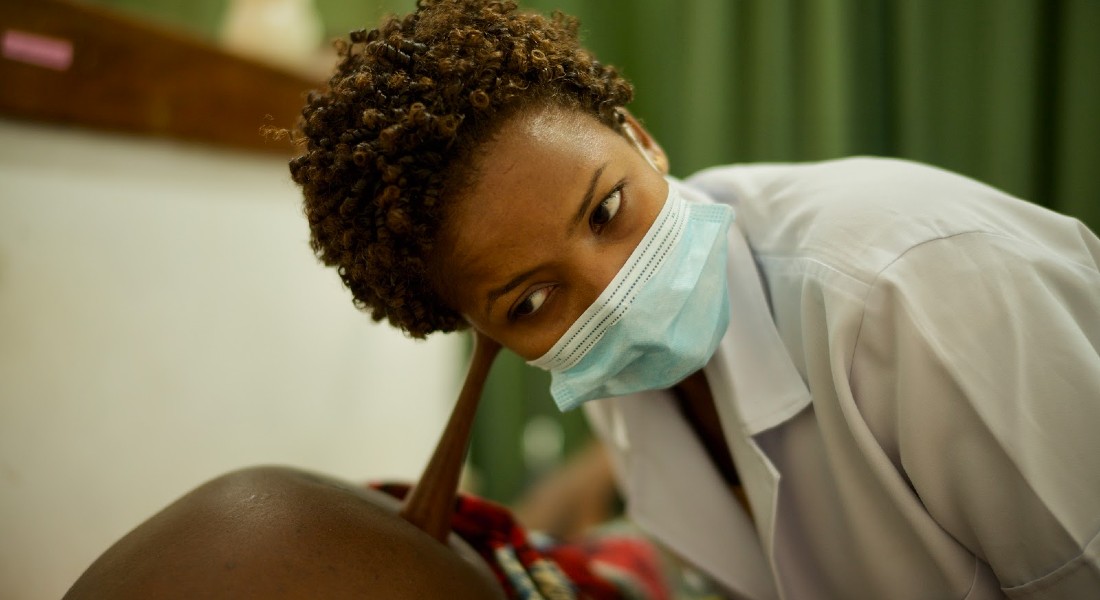
In 2023, the PartoMa research team received its second major research grant from Danida Fellowship Centre allowing us to move from birth to the entire course of pregnancy - from a positive pregnancy state till after birth. This new grant supports 5 years of research to explore the reality of seeking and providing care in antenatal care, and improve quality of care in overburdened urban health facilities in Sub-Saharan Africa.
For over a decade, it has been more risky for a woman and her baby to undergo pregnancy and birth in urban Tanzania than in rural areas. This increasing urban disadvantage is also reported in other resource-constrained cities. Simultaneously, the world’s proportion of births occurring in cities is increasing rapidly, and cities are being exposed to the most severe consequences of climate change. In our new PartoMa Pregnancy study in Dar es Salaam, one of the world’s fastest growing cities, the aim is therefore to assess the underlying drivers of risks during pregnancy in the nexus between urbanization and climate change. Against this background, we will then co-create guiding tools to assist both urban pregnant women and their healthcare providers to jointly achieve respectful and safe reproductive health.
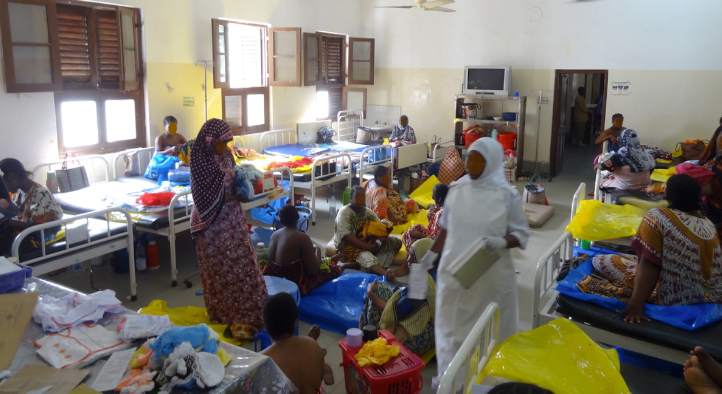
By 2030, the majority of the world’s births will occur in urban areas. In many low-and middle-income countries, a growing ‘urban disadvantage' had been observed with poorer maternal and childbirth outcomes in cities While literature is scarce, these outcomes are mainly attributed to urban poverty, inadequate infrastructure and over-congested health facilities - conditions which may be exacerbated by present and future climate changes.
Tanzania exemplifies the dire statistics of urban maternal health: The national incidence of hospital-based neonatal deaths has stagnated since 2006 and neonatal deaths are now significantly higher in Tanzania's urban than in rural areas. This is despite urban rates of facility births above 90%. More specifically, Tanzania’s largest city, Dar es Salaam, the world’s second fastest growing metropole, comprises a particularly high-burden setting with maternal and perinatal mortality considerably higher compared to other regions of the country. At the same time, while healthcare and education systems work beyond capacity, climate-related challenges are intensifying in the city - this causes droughts with intense water rationing for months at a time and extreme heat.
To understand how broader contexts affect care provision, and to inform our co-creation process in Dar es Salaam, we conducted a major mixed-methods in-depth assessment of the status and underlying causes for the quality of childbirth care in the five busiest maternity units of the city. We expect all related papers to be published in 2023-2024. Furthermore, as part of the CC-ANC study, additional mixed-methods studies will be conducted in the coming years on the contextual and health systems factors, including urbanization, climate change, and gender, that enable or hinder adequate care throughout pregnancy.
As called for at the global stage, such new understanding of underlying causes and implementation strategies are needed to accelerate progress in maternal health for women living in urban areas (read more).
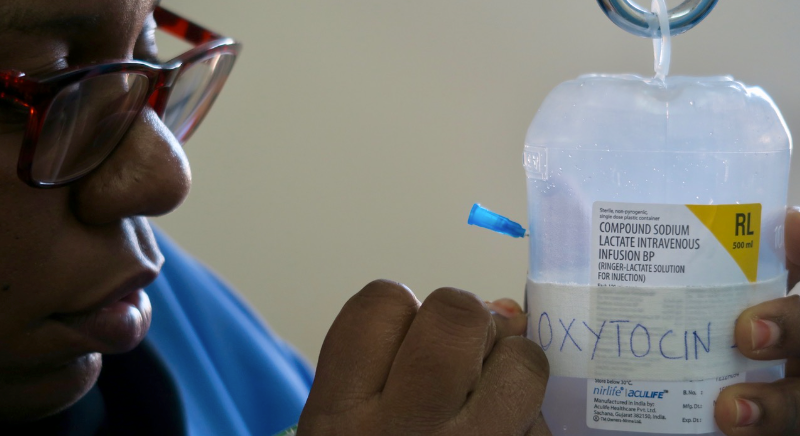
Globally, research indicates alarmingly high levels of synthetic oxytocin use and caesarean sections to treat prolonged labour, even when labour progress is normal. Both prolonged labour and over-medicalisation contribute to distress in unborn babies and mothers, leading to increased risks of disabilities and death. This pattern has been observed as a central and highly concerning issue in our ongoing PartoMa work in sub-Saharan Africa.
We are currently working on unfolding this global challenge in women’s health further - through systematic reviews, situational analyses and co-creation of clinical practice guidelines in diverse world settings (read more).
Also, this work has recently developed into the ProLabour Trial where we assess whether bicarbonate (baking soda) can reduce the rate of caesarean sections and the need for oxytocin to augment labour contractions (read more).
Sequeira D'mello B, Housseine N, Sando D, Mshiu J, Muniro Z, Polin E, Ambokile N, August H, Maaløe N, van Roosmalen J, van den Akker T, Luzango M, Kabanda I, Sangalala M, Meguid T, Meyrowitsch DW, Kidanto HL. 'One woman, one bed': prevalence and factors associated with women's experiences of respectful birth in urban Dar es Salaam, Tanzania - across-sectional survey. Glob Health Action. 2025 Dec;18(1):2568295. doi: 10.1080/16549716.2025.2568295. Epub 2025 Oct 24. PMID: 41133293; PMCID: PMC12557818.
Bekele H, van den Akker T, Maaloe N, Girma S, Mohammed RA, Wale H, Ararso R, Jemal E, van Roosmalen J, Housseine N, Tura AK. Coadaptation and implementation of intrapartum clinical guidelines to save lives during childbirth: Protocol for an adapted PartoMa intervention in Eastern Ethiopia. BMC Health Serv Res. 2026 Feb 20;26(1):407. doi: 10.1186/s12913-026-14228-4. PMID: 41715069; PMCID: PMC13032264.
Osaki H, Mbekenga C, Skovdal M, Maaløe N, Sørensen JB. Collective coping work among healthcare providers navigating the precarities of an overburdened maternity facility in Dar es Salaam, Tanzania. Soc Sci Med. 2026 May;396:119090. doi: 10.1016/j.socscimed.2026.119090. Epub 2026 Feb 17. PMID: 41722310.
Hansen S, Kujabi ML, Maimburg RD, et al. Disclosing possible nonmedically indicated cesarean sections in 5 high-volume urban maternity units in Tanzania: a criterion-based clinical audit. Am J Obstet Gynecol Glob Rep 2025;5:100437.
Kujabi ML, Housseine N, Kabanda I, Msumi R, Maembe L, Sangalala M, Hudson M, Hansen S, Macha A, Sequeira D'mello B, Meyrowitsch DW, Konradsen F, Jensen AK, Hussein K, Maaløe N, van den Akker T. Timing of cesarean section for prolonged labor in urban Tanzania: A criterion-based audit. AJOG Glob Rep. 2024 Oct 10;4(4):100404. doi: 10.1016/j.xagr.2024.100404. PMID: 39583576; PMCID: PMC11582455.
Osaki H, Skovdal M, Sørensen JB, Maaløe N, Housseine N, Dmello BS, Mbekenga C. The Dilemmas and Opportunities of Co-Creating Health Interventions to Fit Local Contexts: An Ethnographic Study on the Adaptation of Clinical Guidelines in Tanzania. Health Expect. 2024 Oct;27(5):e70073. doi: 10.1111/hex.70073. PMID: 39445810; PMCID: PMC11500208.
Sequeira D'mello B, Housseine N, Kidanto HL, Maaløe N, van Roosmalen J, Meyrowitsch DW, van den Akker T, Muniro Z, Polin E, Ambokile N, Festo C, Sørensen JB, Sando D. 'I am happy to be listened to': co-creation of a simple tool to measure women's experiences of respectful maternity care in urban Tanzania. Glob Health Action. 2024 Dec 31;17(1):2403972. doi: 10.1080/16549716.2024.2403972. Epub 2024 Sep 24. PMID: 39314117; PMCID: PMC11423523.
Kujabi ML, Maembe L, Nkungu D, Maaløe N, D'mello BS, van Roosmalen J, van den Akker T, Konradsen F, Hussein K, Pallangyo E, Skovdal M, Sørensen JB. Temporalities of oxytocin for labour augmentation: a mixed-methods study of time factors shaping labour practices in a busy maternity unit in Tanzania. BMC Pregnancy Childbirth. 2024 Aug 29;24(1):563. doi: 10.1186/s12884-024-06717-3. PMID: 39210352; PMCID: PMC11363361.
Kujabi ML, Housseine N, Kabanda I, Msumi R, Maembe L, Sangalala M, Hudson M, Hansen S, Macha A, D'mello BS, Meyrowitsch DW, Konradsen F, Jensen AK, Hussein K, Maaløe N, van den Akker T. Timing of cesarean section for prolonged labor in urban Tanzania: A criterion-based audit. AJOG Global Reports, Volume 4, Issue 4 (2024).
Bakker W, Sandberg EM, Keetels S, Schoones JW, Kujabi ML, Maaløe N, Maswime S, van den Akker T. Inconsistent definitions of prolonged labor in international literature: a scoping review. AJOG Global Reports, Vol. 4, Issue 3 (2024).
Sequeira Dmello, B., John, T.W., Housseine, N. et al. Incidence and determinants of perinatal mortality in five urban hospitals in Dar es Salaam, Tanzania: a cohort study with an embedded case–control analysis. BMC Pregnancy Childbirth 24, 62 (2024).
Osaki H, Sørensen JB, Maaløe N, Mbekenga C, Skovdal M. "It is because the treatment of this lady is a cascade”: Accumulation of delays and the occurrence of obstetric emergencies in an urban maternity unit in Tanzania. Midwifery Vol 130, 2024, 103926, ScienceDirect.
Maaløe N, Kujabi ML, Nathan NO, Skovdal M, Dmello BS, Wray S, van den Akker T, Housseine N. Inconsistent definitions of labour progress and over-medicalisation cause unnecessary harm during birth. BMJ 2023; 383.
Kujabi ML, Mikkelsen E, Housseine N, Obel J, Sequira D’Mello B, Meyrowitsch D, Hussein K, Schroll JB, Konradsen F, van Roosmalen J, van den Akker T, Maaløe N. Labor augmentation with oxytocin in low- and lower-middle-income countries: a systematic review and meta-analysis. AJOG Global Reports. 2022; 2(4).
Sørensen JB, Housseine N, Maaløe N, Bygbjerg IC , Tersbøl BP and Konradsen F. Scaling up Locally Adapted Clinical Practice Guidelines for Improving Childbirth Care in Tanzania: A Protocol for Programme Theory and Qualitative Methods of the PartoMa Scale-up Study, Global Health Action vol. 15, 2022, issue 1
Maaløe N, Housseine N, Sørensen JB, Obel J, DMello BS and Kujabi ML. Scaling up context-tailored clinical guidelines and training to improve childbirth care in urban, low-resource maternity units in Tanzania: A protocol for a stepped-wedged cluster randomized trial with embedded qualitative and economic analyses (The PartoMa Scale-Up Study), Global Health Action vol. 15, 2022, issue 1
Maaløe N, van Roosmalen J, Dmello BS, Kwast B, van den Akker T, Housseine N, Kujabi ML, Meguid T, Kidanto H. WHO next-generation partograph: revolutionary steps towards individualised labour care?, BJOG 2021
Maaløe N, Marie A, Ørtved R, Sørensen JB, Dmello BS, van ven Akker T, Kujabi ML, Kidanto HL, Meguid T, Bygbjerg IC, van Roosmalen J, Meyrowitsch DW, Housseine N. The injustice of unfit clinical practice guidelines in low-resource realities. Lancet Global Health 2021
Sequeira Dmello B, Sellah Z, Magembe G, Housseine N, Maaløe N, Van Den Akker T, Meyrowitsch DW, Mushi T, Masweko M, Jidayi D, van Roosmalen J, Kidanto HL.Learning from changes concurrent with implementing a complex and dynamic intervention to improve urban maternal and perinatal health in Dar es Salaam, Tanzania, 2011-2019. BMJ Global Health 2020
Housseine N, Punt MC, Mohamed AG, Said SM, Maaløe N, Zuithoff NP, Meguid T, Franx A, Grobbee DE, Browne JL, Rijken MJ. Quality of intrapartum care: direct observations in a low-resource tertiary hospital. Reprod Health 2020.
Dmello BS, Housseine N, van den Akker T, van Roosmalen J, Maaløe N. Impact of COVID-19 on maternal and child health. Lancet Global Health 2020.
Housseine N, Punt MC, Browne JL, Van J, Maaløe N, Meguid T, Theron GB, Franx A, Grobbee DE, Visser GHA, Rijken MJ. Delphi consensus statement on intrapartum fetal monitoring in resource settings. Int J Gynaecol Obstet. 2019. 146(1):8-16.
Maaløe N, Meguid T, Housseine N, Tersbøl BP, Nielsen KK, Bygbjerg IC, van Roosmalen J. Local adaption of intrapartum clinical guidelines, United Republic of Tanzania. Bull World Health Organ 2019; 97:365–370.
Housseine N, Punt MC, Browne JL, Meguid T, Klipstein-Grobusch K, Kwast BE, Franx A, Grobbee DE, Rijken MJ. Strategies for intrapartum foetal surveillance in low- and middle-income countries: A systematic review. PLoS One 2018; 13: e0206295.
Maaløe N, Andersen CB, Housseine N, Meguid T, Bygbjerg IC, van Roosmalen JJM. Effect of locally-tailored clinical guidelines on intrapartum management of severe hypertensive disorders at Zanzibar’s tertiary hospital (The PartoMa study). Int J Gynecol Obstet 2018. DOI:10.1002/ijgo.12692.
Maaløe N, Housseine N, Meguid T, Nielsen BB, Jensen AKG, Khamis RS, et al. Effect of locally-tailored labour management guidelines on intrahospital stillbirths and birth asphyxia at the referral hospital of Zanzibar: A quasi-experimental pre-post-study (The PartoMa study). BJOG. 2017;125(2):235–45.
Maaløe N, Housseine N, van Roosmalen J, Bygbjerg IC, Tersbøl BP, Khamis RS, et al. Labour management guidelines for a Tanzanian referral hospital: The participatory development process and birth attendants’ perceptions. BMC Pregnancy Childbirth. 2017;17(175).
Maaløe N, Housseine N, Bygbjerg IC, Meguid T, Khamis RS, Mohamed AG, et al. Stillbirths and quality of care during labour at the low resource referral hospital of Zanzibar: a case-control study. BMC Pregnancy Childbirth. 2016;16 (351).
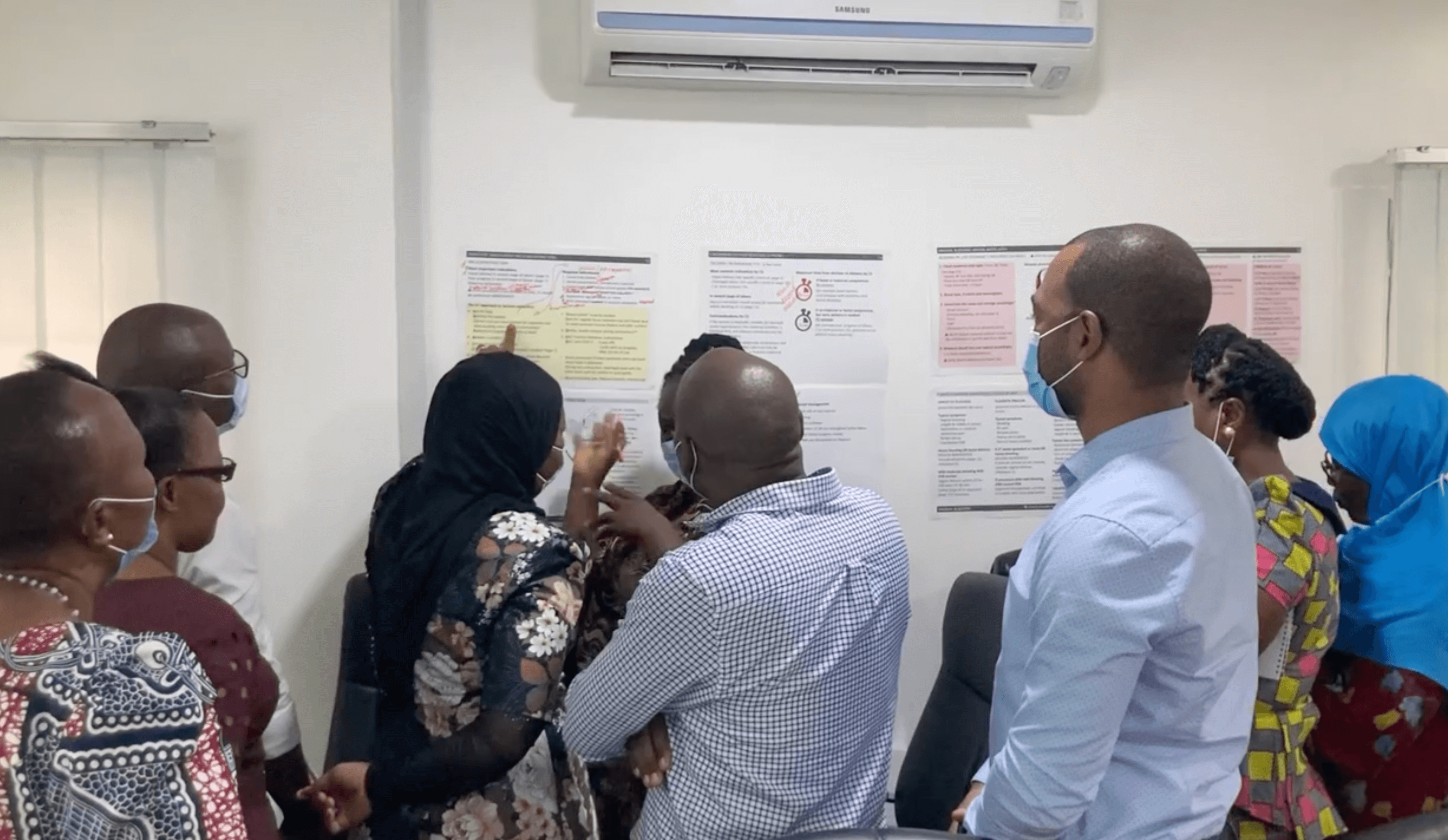
Brenda Sequeira Dmello, PhD student 2021-2024: Unraveling the complexities of safe and respectful maternity care in urban Dar es Salaam, Tanzania
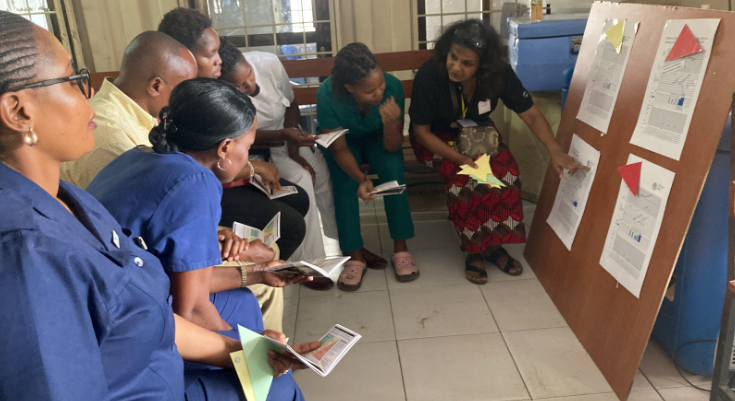
All identifiable people appearing on this website in photos or text have given their oral consent. Photos by Lara Meguid, Tarek Meguid and Nanna Maaløe.
 Nanna Maaløe (MD, PhD)
Founder of PartoMa
Associate Professor of Global Reproductive Health and Rights
University of Copenhagen
Contact
 Natasha Housseine (MD, PhD)
Founder of PartoMa
Post Doc
Aga Khan University Dar es Salaam and University of Copenhagen
Contact
 Dan Meyrowitsch (MsC, PhD)
Professor of Epidemiology
University of Copenhagen
Contact
 Hussein Kidanto (MD, PhD)
Professor of Obstetrics
Aga Khan University, Dar es Salaam
Contact

Main donor of the current PartoMa research is Danida, Ministry of Foreign Affairs of Denmark.
Additional funding has been granted by the Laerdal Foundation, University of Copenhagen, UNICEF and Dr. Thorvald Madsens Legat