
The RECOVER Study
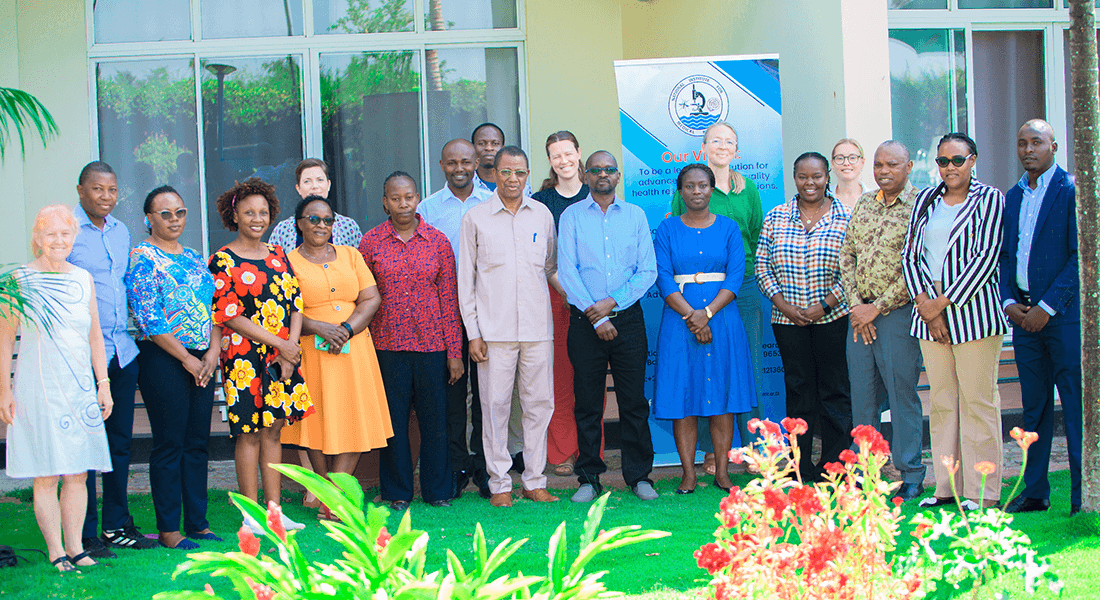
RECOVER (Enhancing Community-Based Care of Children with Severe Acute Malnutrition) is a research partnership between Tanzania, Kenya, and Denmark that aims to improve how children with severe acute malnutrition (SAM) are identified, treated, and supported in their communities. Although community-based treatment has transformed SAM care globally, many children still fail to access services, receive treatment too late, or do not recover despite receiving care. RECOVER takes a systems-oriented approach to understand and address these challenges, bringing together expertise in public health, clinical research, nutrition, social science, and implementation research. The project will generate evidence and practical recommendations to strengthen community-based SAM treatment and improve child health outcomes in East Africa.
Objectives
RECOVER seeks to answer one central question:
How can we increase the uptake and success of community-based management of children with severe acute malnutrition?
The project will:
- Identify barriers and facilitators affecting access to community-based SAM treatment.
- Investigate why some children do not respond successfully to treatment or relapse after recovery.
- Examine health system, community, household, clinical, and biological factors that influence treatment outcomes.
- Develop evidence-based recommendations with local and international stakeholders to strengthen SAM programmes.
- Build research capacity in Tanzania and Kenya through PhD training, mentorship, and regional research collaboration.
Methods
RECOVER applies a systems-oriented approach, recognizing that successful treatment of severe acute malnutrition depends on factors ranging from community engagement and health services to biological processes within the child.
The project is organised into four research work packages:
WP1: Understanding Access to Care
Through interviews, focus groups, and policy reviews, RECOVER will explore barriers and facilitators to accessing community-based SAM treatment from the perspectives of caregivers, community health workers, health professionals, and policymakers.
WP2: Understanding Treatment Failure
Using longitudinal data and qualitative research, the project will investigate how health system capacity, community factors, and household circumstances contribute to unsuccessful treatment outcomes, drop-out from care, and relapse.
WP3: Understanding Clinical and Biological Risks
RECOVER will analyse clinical data and biological samples to study factors such as infections, inflammation, immune function, growth patterns, and weight gain trajectories that may predict treatment success or failure.
WP4: Developing Solutions
Researchers, policymakers, healthcare providers, community representatives, and international experts will work together to co-develop practical recommendations for improving community-based management of severe acute malnutrition.
Project Partners
RECOVER brings together leading institutions in child health, nutrition, and implementation research across East Africa and Denmark.
National Institute for Medical Research (NIMR), Tanzania
Project lead institution and host of RECOVER. NIMR contributes extensive expertise in child malnutrition research, community engagement, implementation science, and clinical research.
KEMRI-Wellcome Trust Research Programme (KWTRP), Kenya
A leading African research centre with expertise in childhood malnutrition, infectious diseases, advanced data modelling, laboratory science, and health systems research.
Rigshospitalet, Denmark
Provides expertise in paediatrics, infectious diseases, nutrition research, and international clinical studies, building on long-standing collaborations in child malnutrition research in Tanzania.
School of Global Health, University of Copenhagen, Denmark
Contributes expertise in implementation science, stakeholder engagement, global health, communication, and dissemination to support the translation of research into policy and practice.
PhD Students
A cornerstone of RECOVER is strengthening research capacity in East Africa through the training of three PhD students.
The PhD projects will contribute directly to the research objectives by examining:
- Community and health system barriers to SAM treatment uptake.
- Social, household, and programme-related factors affecting treatment outcomes.
- Clinical and biological predictors of recovery and relapse.
The students will be based at partner institutions in Tanzania and Kenya and will participate in international exchanges, specialised training courses, and joint supervision across the RECOVER partnership.
PhD Students
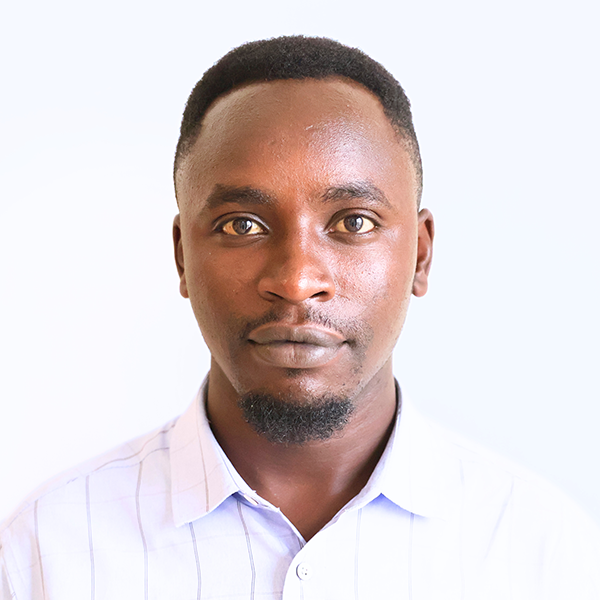 |
Erick Killel |
 |
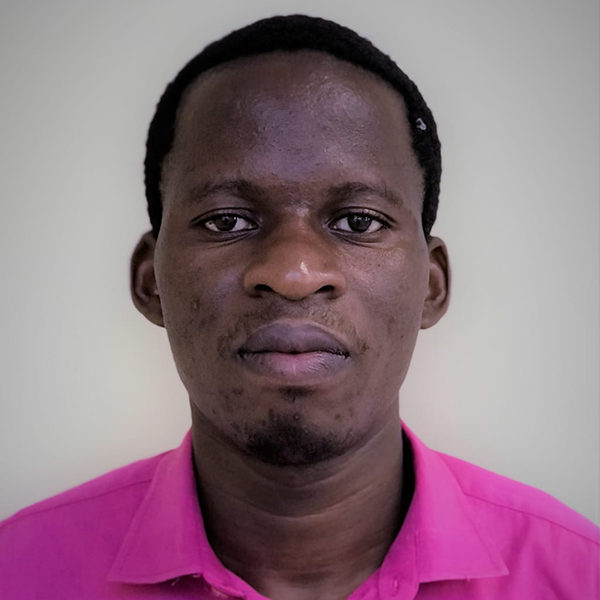
Roza Ndaro |
 |
Dennis Wamalabe Mukhebi |
The PhD programme is designed to strengthen long-term research capacity and foster future leadership in child nutrition and global health research in East Africa.
RECOVER builds on the work done by these two projects:
News from the RECOVER Study
Funded by

Period: 2026-2031
Contact RECOVER
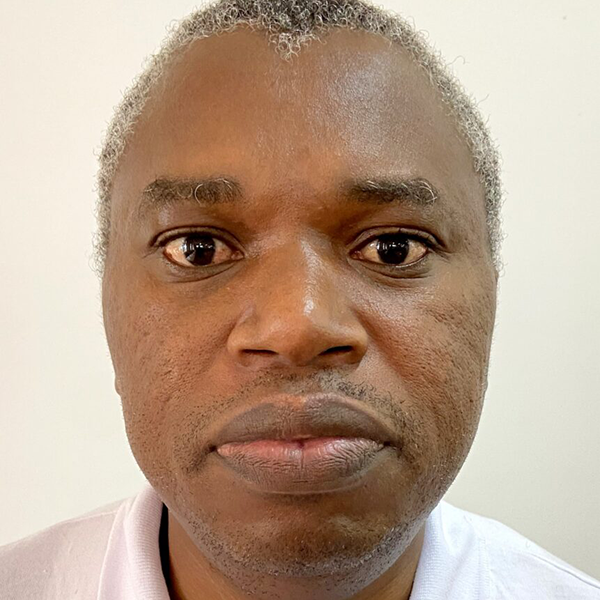 George PrayGod
Principal Investigator
National Institute for Medical Research (Tanzania)
E-mail: gpraygod@gmail.com
 Mette Frahm Olsen
Co-Principal Investigator
Rigshospitalet (Copenhagen University Hospital)
mette.frahm.olsen@regionh.dk