
SleePsych
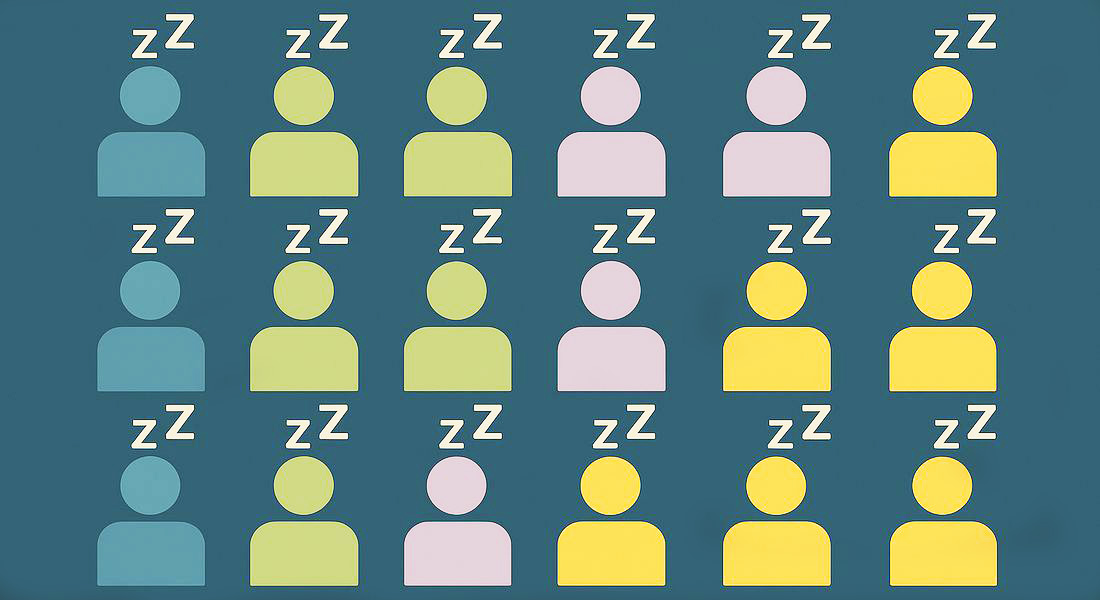
This project explores how self-reported sleep quality and quantity relate differently to psychiatric and somatic disease risk, using Danish health survey and register data to identify high-risk profiles and inform prevention strategies.
This project investigates how self-reported sleep quality and quantity relate differently to the risk of psychiatric and somatic diseases. By identifying nuanced risk profiles in the Danish population, the study aims to understand how different types of sleep disturbances contribute to health outcomes and healthcare burden - and to inform targeted prevention strategies.
Sleep disturbances are among the most widespread public health issues in Denmark. In recent national surveys, nearly half of adults report sleep problems - yet little is known about how different types of sleep disturbances translate into mental and physical health outcomes. This project seeks to understand the nuances of sleep disturbances in the Danish population by distinguishing between self-reported sleep quality and quantity, and exploring how these relate differently to the development of psychiatric and somatic diseases. Using population data from the Danish National Health Surveys (2010–2021; ~170,000 individuals per wave) linked with national health registers, the project applies machine learning and advanced statistical modelling to uncover high-risk profiles and healthcare utilization patterns. By identifying subgroups most vulnerable to specific types of sleep disturbances, the project aims to generate actionable insights that can inform future guidelines, prevention strategies, and public health policies - with a special focus on mental health and social inequality.
Six scientific studies are planned, including identification of risk profiles, disease associations, and treatment outcomes with anticipated publications from 2026
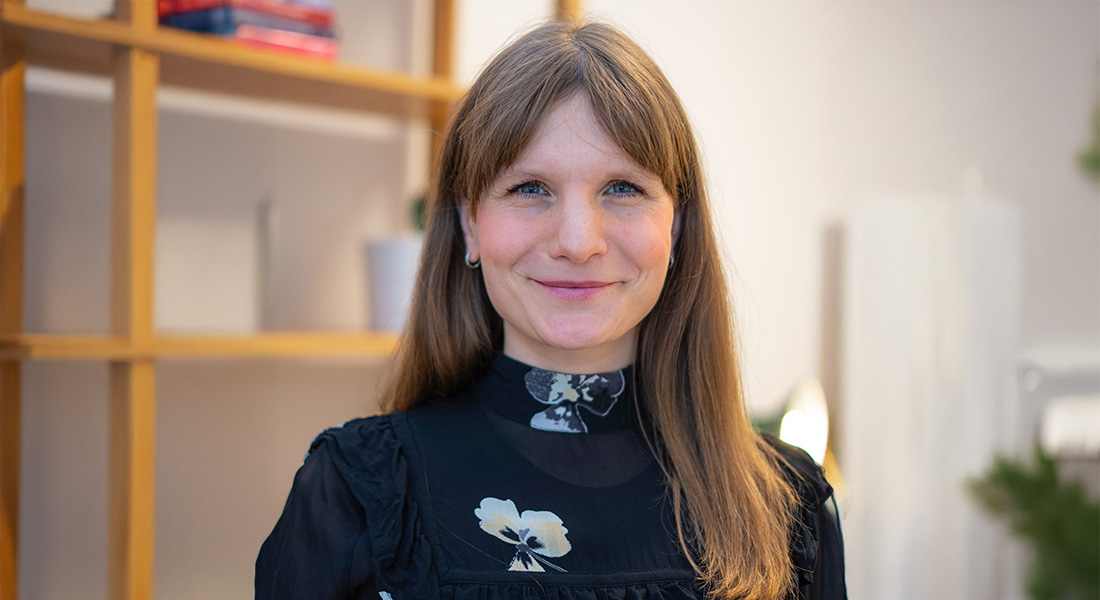
Research group leader
Terese Høj Jørgensen
Associate Professor
Email: tshj@sund.ku.dk
Phone: +4535335886
Funding

Project Periode:
2025–2028
Staff
| Name | Work place | |
|---|---|---|
| Terese Sara Høj Jørgensen | tshj@sund.ku.dk | University of Copenhagen |
| Kevin Billesborg Pedersen | kevin.pedersen@sund.ku.dk | University of Copenhagen |
| Merete Osler | merete.osler@regionh.dk | University of Copenhagen |
| Marie Kim Wium-Andersen | ? | Center for Clinical Research and Prevention |
| Ida Kim Wium-Andersen | ? | Center for Clinical Research and Prevention |